Open Call Phase 1 closed on 20 September!

Thank you to everyone who submitted a project proposal. While we wait for the results, there’s plenty to explore in the Time for (S) Heroes Digital Portal. New content is now available, alongside courses, creative resources and inspiration to support your creative practice.

Log in to the portal and see what’s new!

Connecting Worlds, Transforming Materials

Kristina Miltcheva’s experience as an (S) Heroes Ambassador

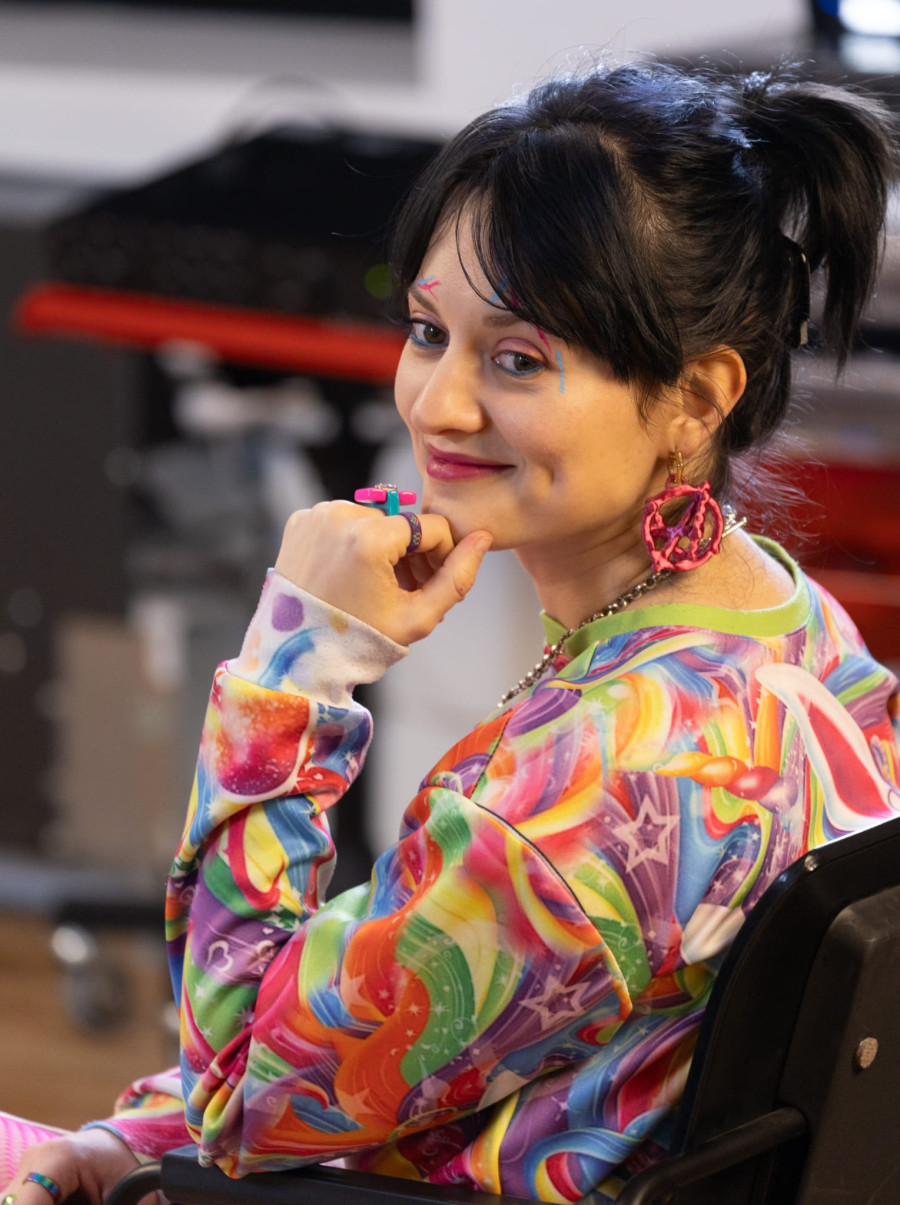
Kristina Miltcheva is a Bulgarian-Canadian multidisciplinary artist, creative producer and art director, who works across visual art, spatial design, immersive experiences, creative technology and world-building. Her practice is driven by a fascination with materials, transformation, spirituality and the possibility of creating worlds that allow us to experience reality differently.

As an (S) Heroes Ambassador, she has been connecting with practitioners around the world who share a similar sustainability mindset and are applying it to the arts and culture sector. For Kristina, this role has felt like a natural extension of something she already does instinctively: connecting people and ideas.

An explorer, seeker, connector and translator of worlds

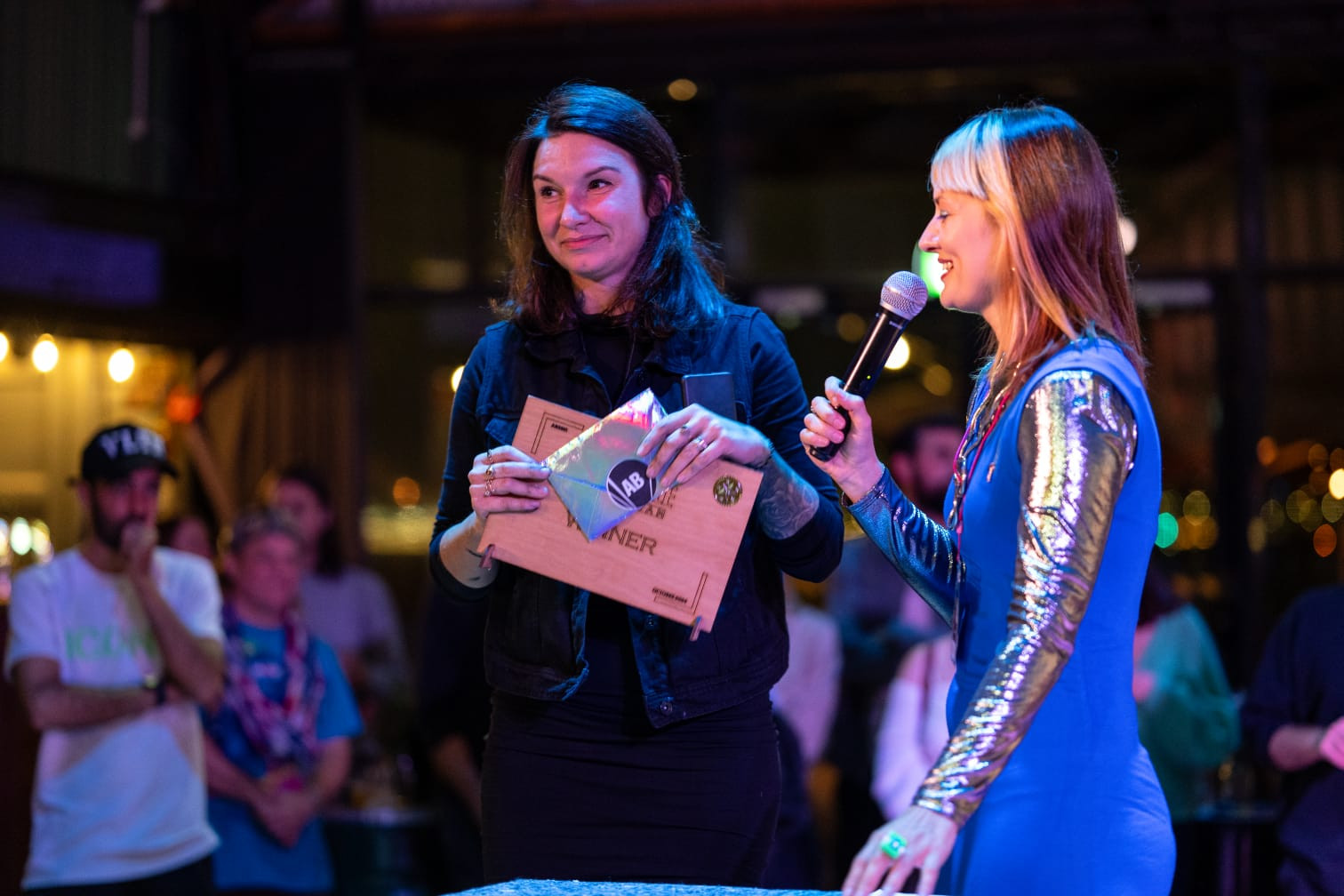
As an ambassador, Kristina has been spreading the word about Time for (S) Heroes through her network of artists, cultural producers, designers and creative communities across Bulgaria, the Netherlands and Spain, and now Berlin, where she is beginning an EYE placement at the contemporary art space HAUNT.

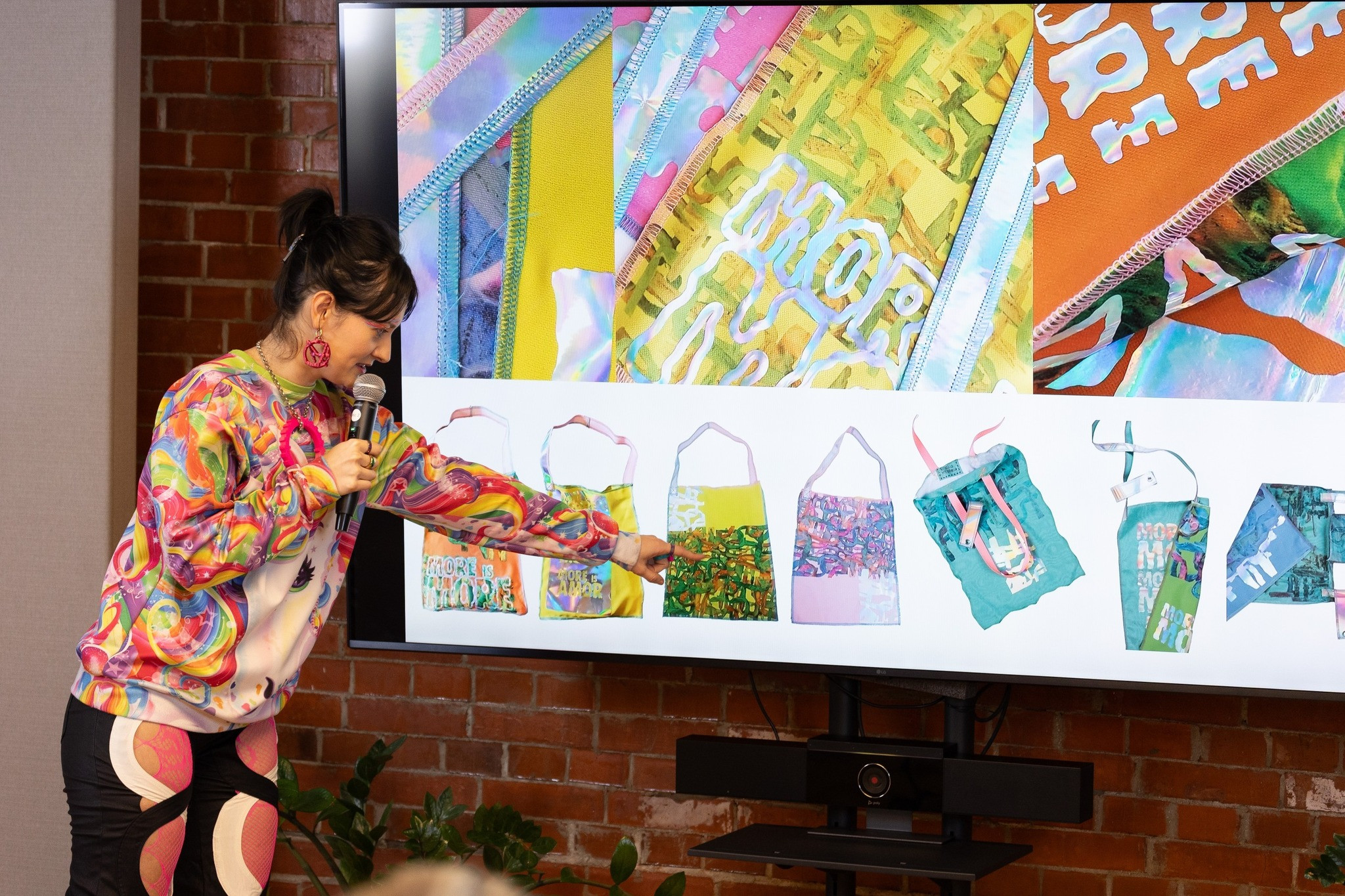
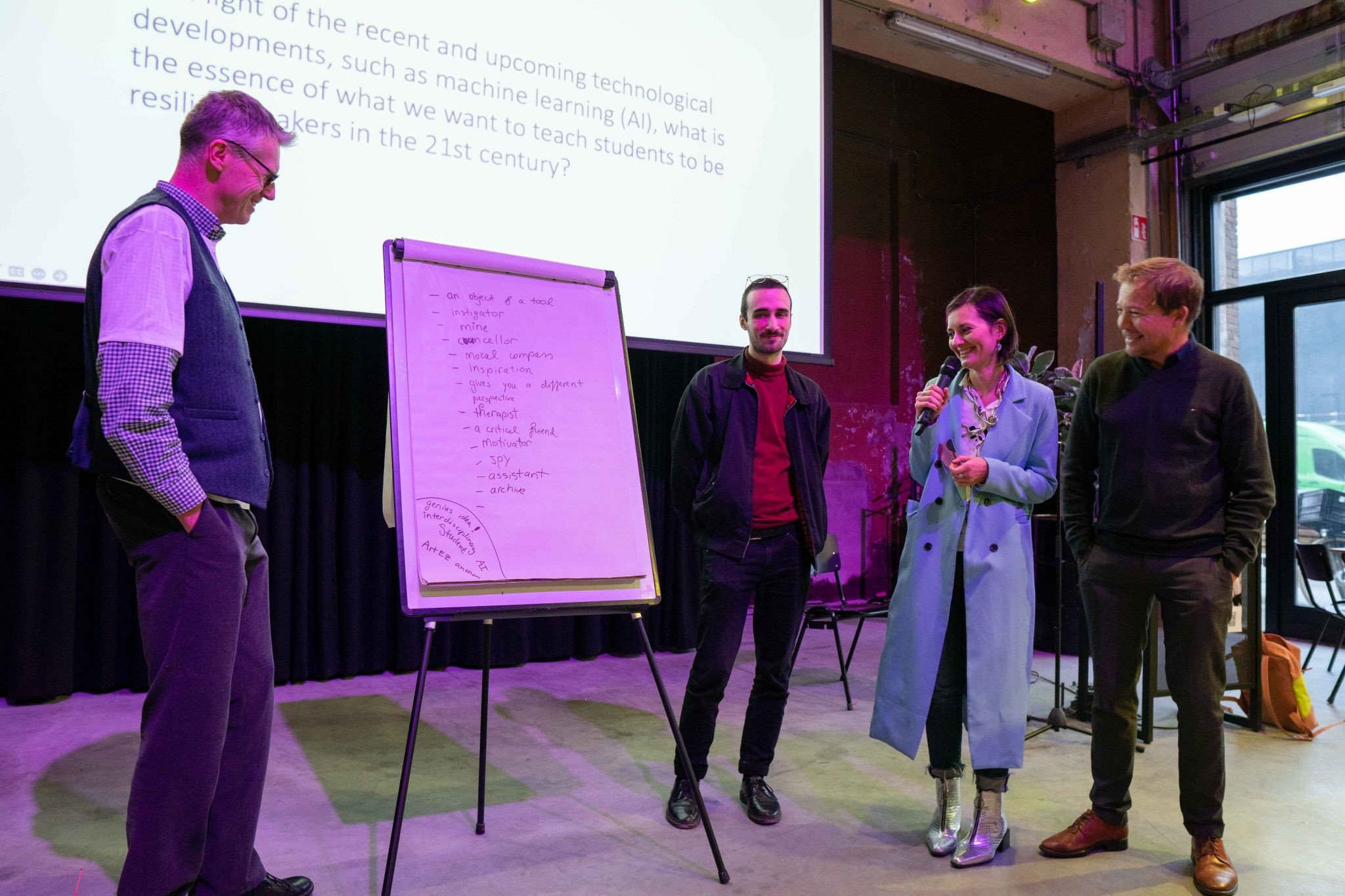
She has shared the project with artists and practitioners connected to Manifestations, Dutch Design Week, where she works yearly, PLUTO in Valencia, the Scythia Textile Biennale, where she presented her methodology Worldbuilding Through Discarded Textiles and exhibited her textile collages, Pecha Kucha Sofia, where she spoke about breaking the barriers of perfectionism and allowing yourself to fail, as well as with young emerging fine artists and designers from ArtEZ Academy in Arnhem.

What common denominator do they have?

Me.

Kristina sees herself as an explorer, a seeker, a connector and a translator of worlds.

“I am here to make a new world through sharing information and spreading opportunities.”

For Kristina, there is perhaps no better way to connect the world than through the arts.

Everyone makes art. Everyone understands art, even if it is in their own way. Art can build bridges between cultures and create new, never-before-seen bridges that help us relate to each other in new ways.

This is what she wants to shine a light on.

Kristina wanted to become involved with Time for (S) Heroes both as a visual artist and as an art manager: showing and growing her own work while also seeing, learning from and becoming inspired by other people’s practices and ways of incorporating upcycling into their work.

Finding beauty in what others have discarded

For Kristina, sustainability begins with what she finds.

“What drives my aesthetic is what I find and see around me.”

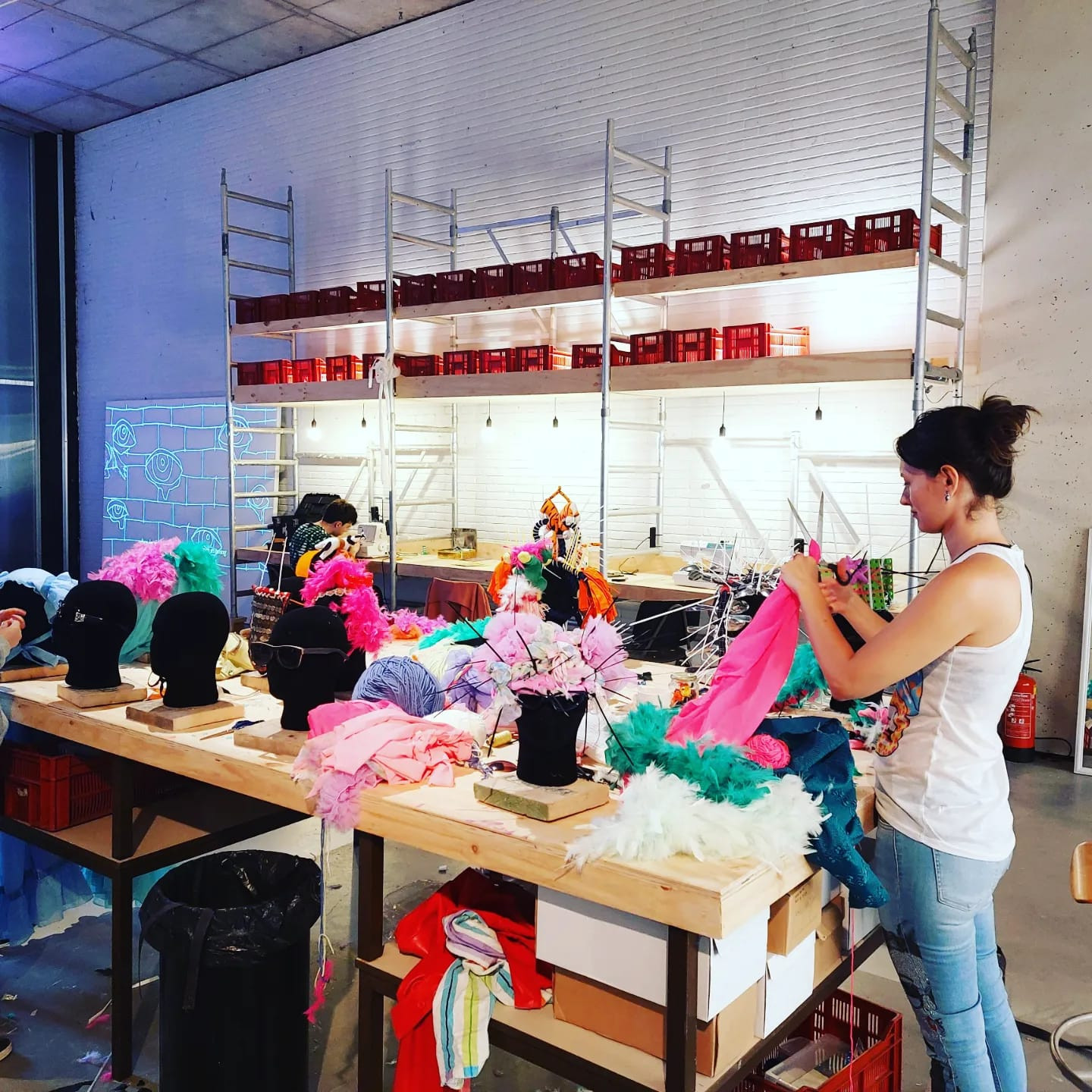
Matching found materials is the engine oil behind her work. It can literally shape the whole concept of what a work is going to become. Finding the material is the initial ignition.

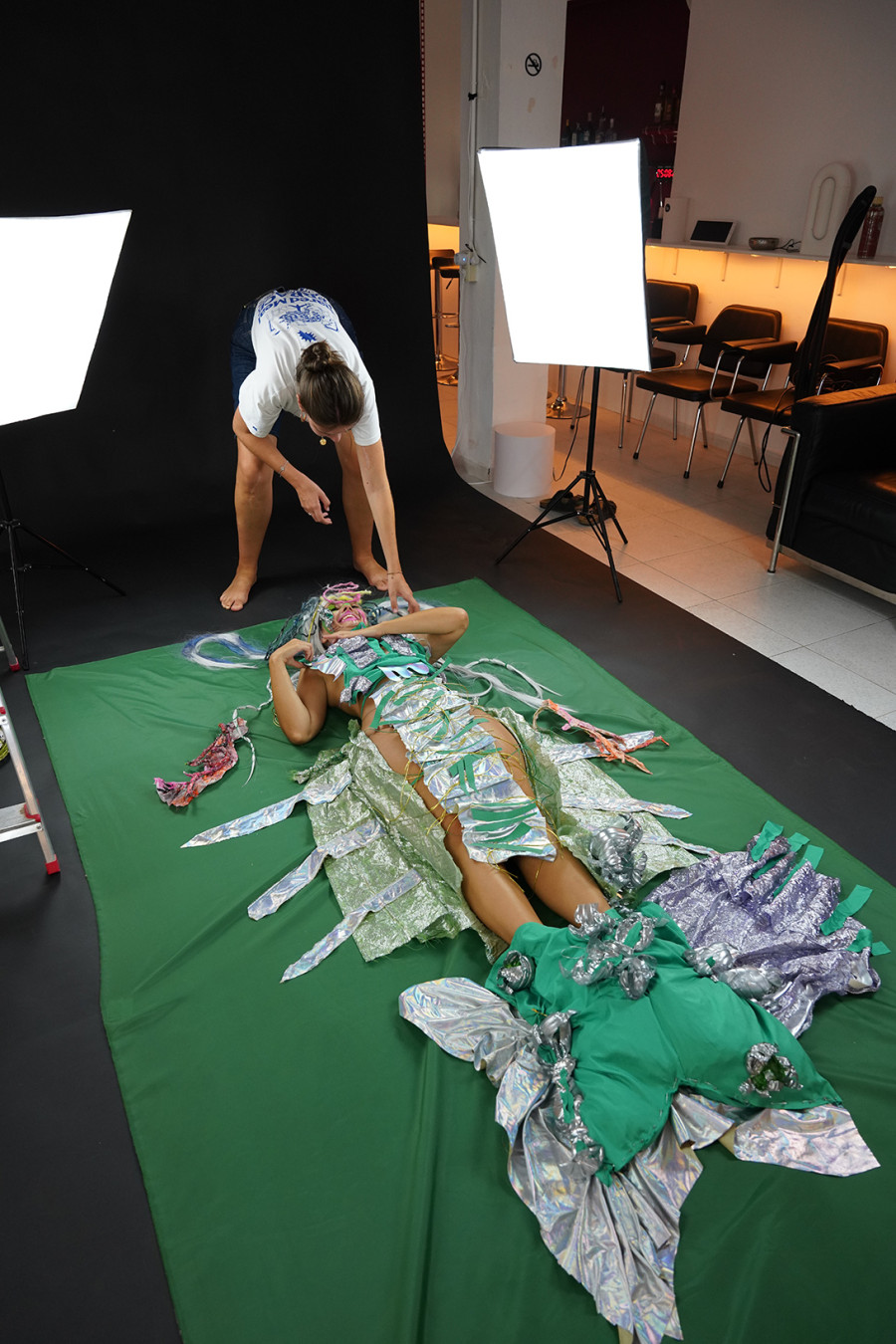
She is drawn to reflective, transparent, flowy and unusual textures. She sees beauty in these materials, but also something beyond beauty: immense potential and utility in something that has already been discarded by someone else.

Kristina describes this relationship almost as an act of adoption. She collects materials that have been “orphaned” and gives them attention, imagination and transformation.

You can choose to give soul and energy to something barren, and it will respond in kind.

This idea also applies to the artist.

Only recently, after spending nine months working through Julia Cameron’s The Artist’s Way, did Kristina realise how much of her creative practice had been affected by a scarcity mentality. She had spent years collecting and stacking materials in boxes and drawers, saving them for the perfect project.

And then she started using them.

Cutting them. Changing them. Experimenting with them. And sometimes ruining them.

“The experience has been both very freeing and very scary.”

For Kristina, scarcity mentality is one of the biggest blocks and enemies of an artist. The fear that the material will be wasted, that the idea will not be good enough.

But once an artist moves beyond that and begins to trust their own capacity to create, something changes.

Kristina sees creativity almost as a gift that needs to be given back. The ability to imagine, to make and to create is itself a blessing. When we create, we add something to the universe that did not exist before.

The grand creator rewards creation.

Just do it.

Done is better than perfect.

Decontextualising reality to reconnect with ourselves

The idea of transformation extends beyond materials in Kristina’s work. It also shapes the way she thinks about art itself. Her graduation thesis explored a question that continues to influence her practice:

Can escaping our reality be the only way back to ourselves?

Kristina describes art as having a spiritual “decontextualising” dimension. By temporarily removing ourselves from our familiar surroundings, associations and expectations, immersive art can create a space where we experience ourselves differently. She researched the factors that contribute to this feeling of decontextualisation in immersive environments and explored what happens when an audience enters a world that bears little resemblance to their everyday reality.

“My artist is not a politician, but a magician.”

The spirituality of play

The creative process can become a return to the unrestricted play of childhood: making castles out of fallen sticks, inventing worlds without knowing what they are supposed to mean.

For her, this state of play can be one of the most spiritual, meditative and healing states a person can reach.

The freedom to play removes the pressure to perform. And when that freedom enters an artwork, the audience can feel it too.

In this process lies the potency of the universe.

Kristina is careful not to call her practice art therapy. She does not have the qualifications to make claims in that field. But she is fascinated by the relationship between art, wellbeing and healing.

While co-organising and working on the event The Museum of the Future 2026 at the Atomium, Brussels, she was particularly struck by a conversation with Belgian speakers Delphine Houba and David Elchardus about “Museums on Prescription”.

Originally a Canadian initiative and now also present in Switzerland and Belgium, the programme allows doctors to prescribe museum visits to patients dealing with mental health issues or addictions.

For Kristina, this opens up a fascinating field of questions about what art can do for people beyond its traditional cultural role.

Art as a portal into another world

This desire to create spaces where something different can emerge also shapes the future Kristina imagines for her own practice.

During a 2022 MoMA web workshop, Art and Awareness as a Catalyst for Healing, one idea stayed with her: the possibility of allowing “a whole new way of being to emerge.”

This is what she wants her art to do.

She thinks about the washing-machine door at Meow Wolf: an apparently ordinary object that unexpectedly leads to a tunnel, a new dimension where everything glows and shimmers.

That is the kind of experience she is interested in.

Portals to new worlds within ourselves.

Even the possibility of belonging to a place that we have never dreamed could exist.

For Kristina, this is the potential of immersive art and world-building. The artwork gives them somewhere to go and somewhere to go within themselves.

Imagining a different future for art

When she thinks about the future of art, Kristina is excited by technology and generative art, but she also believes that people will eventually crave what technology cannot perfectly reproduce.

The rough draft.

The dirty crayon marks left by an artist’s shaky hand.

The blobs that appeared because somebody made a mistake.

Right now, generative art is moving rapidly into the centre of the conversation. But Kristina believes the balance will always rebalance itself. We will get back to basics:

spontaneity, intuition, and sensibility.

What will become of the artist?

This is where Kristina sees a particularly important role for artists in imagining sustainable futures. They do not simply respond to the world as it is. They can prototype worlds that have not yet been seen.

Becoming an (S) Hero

Ultimately, what Kristina wishes for most is simple: that people recognise the importance of art.

Art is the soul of the world.

Kristina’s experience as an (S) Heroes Ambassador has therefore become part of a much larger personal mission: to connect people, share opportunities and encourage artists to begin.

As an Ambassador, Kristina is a part of our (S) Heroes community. We invite you to become a part of the movement by joining our Portal.

More information about Ambassadors Explore the Community Join the movement

Kristina Miltcheva is a Bulgarian/Canadian multidisciplinary artist, stylist, and creative strategist whose work explores worldbuilding, and the construction of immersive visual worlds. She studied in the Netherlands and has developed an international practice that she likes to call Total Artwork: a marriage between art, fashion, and cultural production.

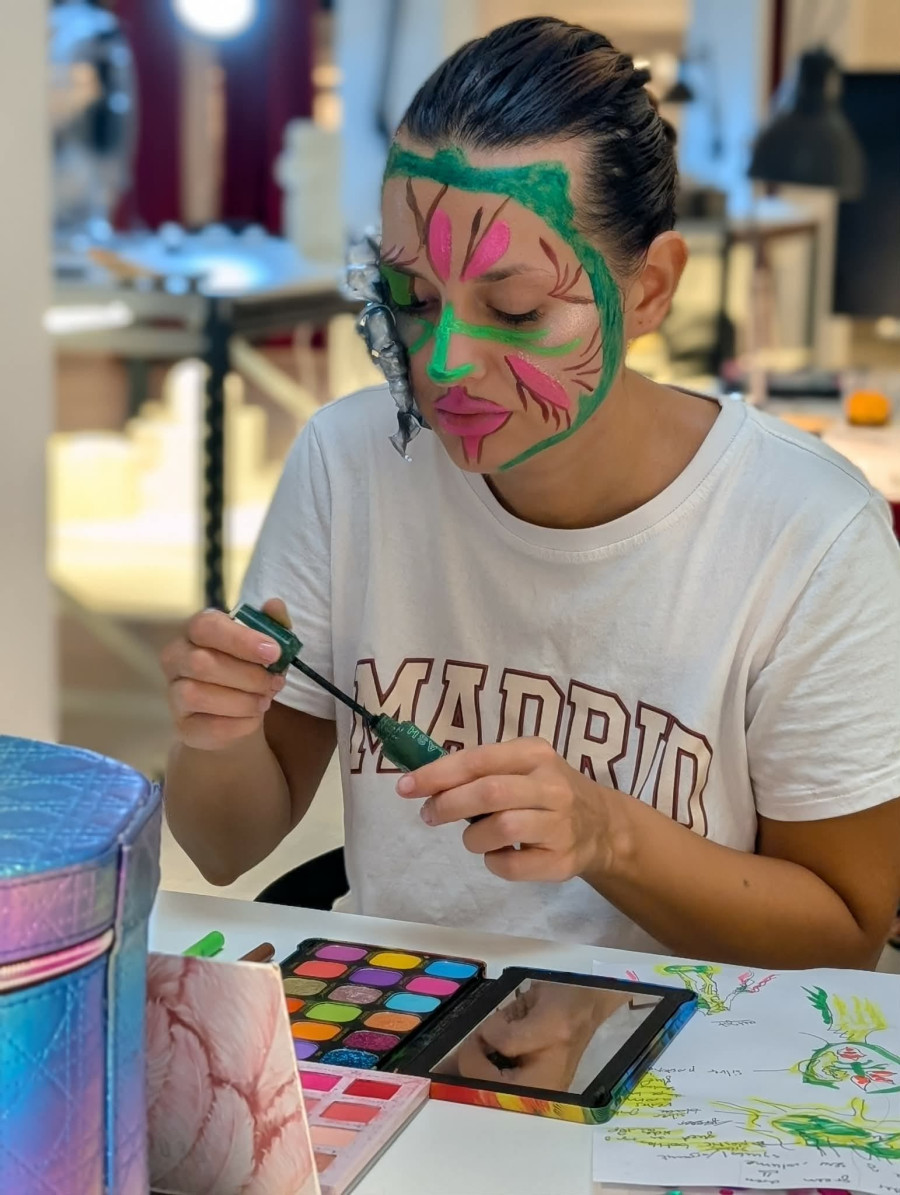
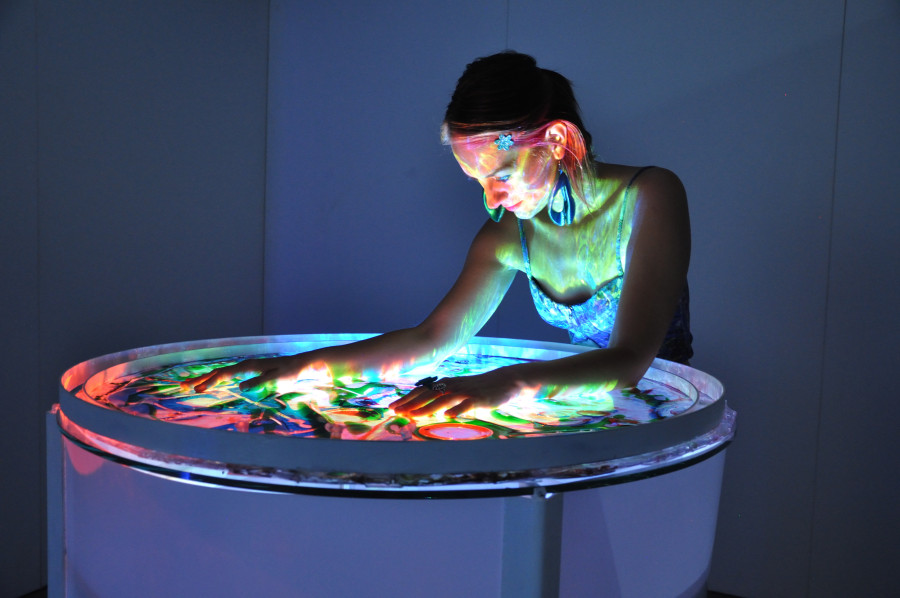
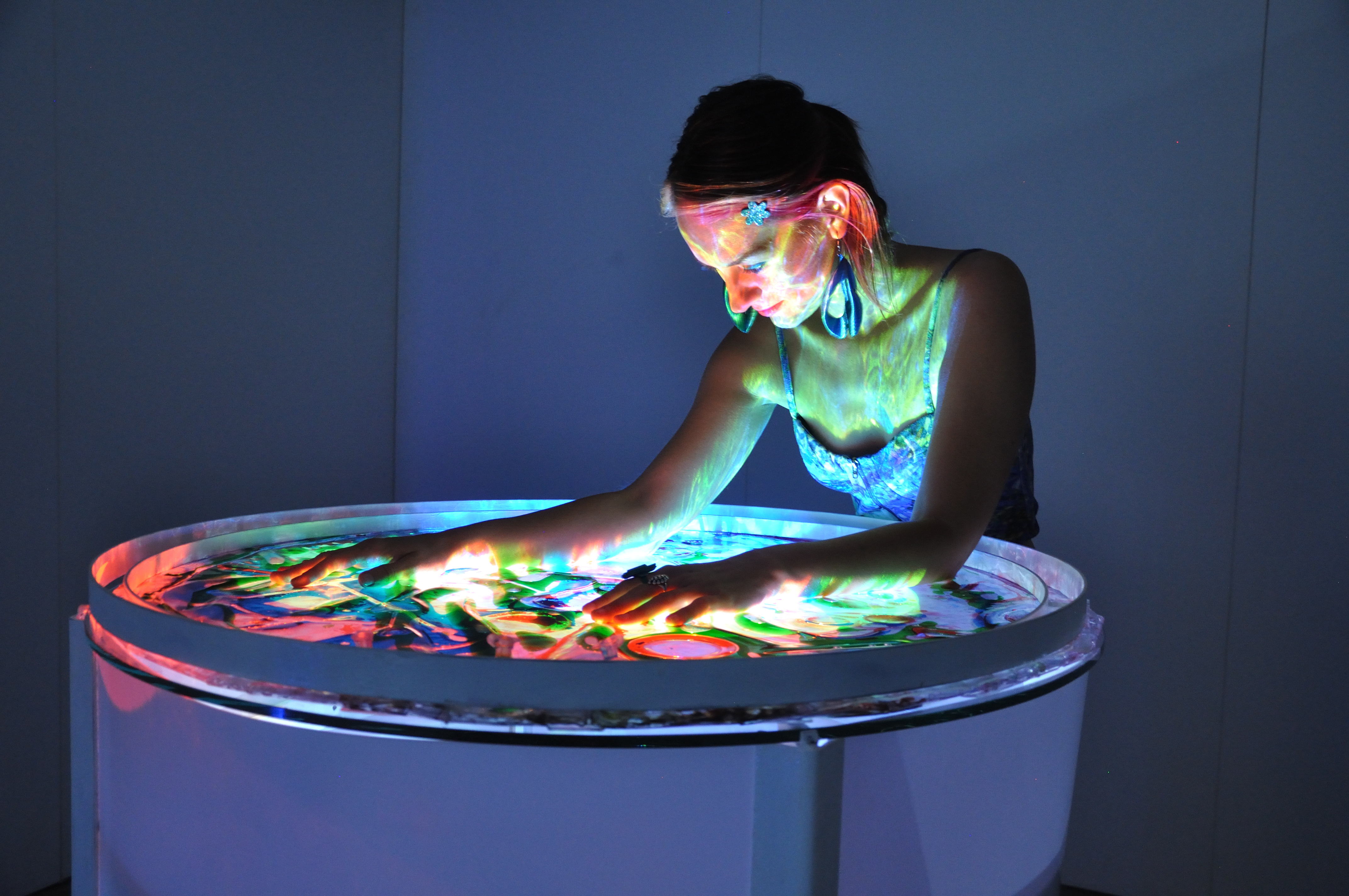
Her artistic approach combines analog and digital techniques, textile collage, styling, 3D visuals, projection mapping and dystopian narratives to create decontextualization and introspective experiences.

Alongside her artistic practice, she also delves in marketing and PR within the luxury fashion sector, accessibility in galleries and museums, tutoring and workshops, event production. This dual perspective allows her to merge conceptual thinking with strategic execution, bringing artistic sensitivity into commercial and cultural contexts.

As an Ambassador for Time for (S) Heroes, she contributes to expanding the project’s visibility within creative communities in all of Europe, fostering connections between art, fashion, and socially engaged practices. Sustainability and circularity in the arts is a cause she cares deeply about and her own work is mostly composed from discarded/ donated and found materials.

www.kristinamiltcheva.com